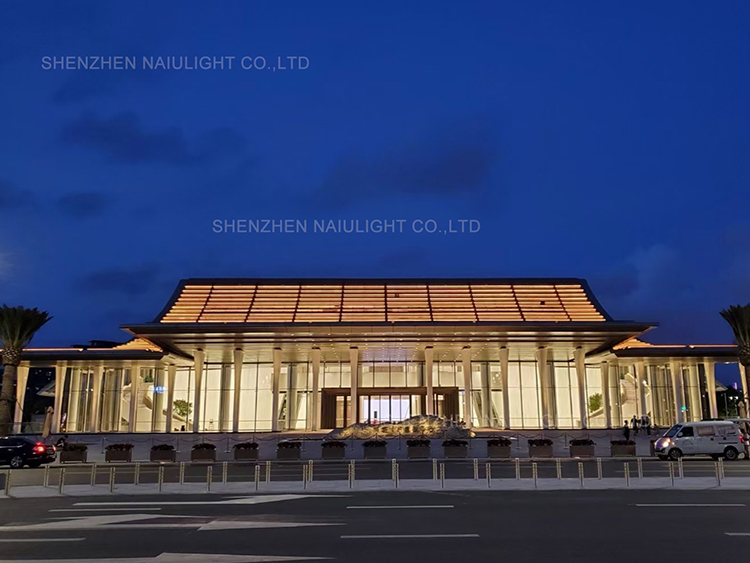
LED dimming is often used in hotels and theaters to create an atmosphere, create an intimate feel, and delight diners and audiences. For conference rooms and report halls, dimming can also reduce energy consumption and enhance space functions, and dimming reduces unnecessary wires to further implement energy saving and emission reduction. Dimming is easier than other fluorescent, energy-saving and high-pressure sodium lamps. In addition, LEDs have a wider dimming range than compact fluorescent lamps and high-intensity discharge lamps. Compared with 10% ~ 30% dimming surplus of compact fluorescent lamps (data from NEMA), 30% ~ 60% dimming surplus of high-intensity discharge lamps (data from NLPIP) , The remaining dimming of the LED can achieve less than 1% of the full load.
There are various types of dimming technologies in the field of LED lighting. The two commonly used dimming methods are thyristor dimming and 0-10V dimming. So what is the difference between the two dimming methods? What are the disadvantages? This article will help everyone to conduct a comprehensive analysis of this problem, so as to grasp the difference between the two dimming methods.
Triac Dimming (Brightness is adjusted by increasing or decreasing the input voltage)
Thyristor dimming is a kind of physical dimming. Starting from AC phase 0, the input voltage is chopped. There is no voltage input until the thyristor is turned on. The principle is to adjust the conduction angle of each half wave of the alternating current to change the sine waveform, thereby changing the effective value of the alternating current, so as to achieve the purpose of dimming. Thyristor dimmers have the advantages of high adjustment accuracy, high efficiency, small size, light weight, and easy to operate from a long distance. They dominate the market. Most manufacturers' products are this type of dimmer. The advantages of using TRIAC dimmers for LED lighting are: low dimming cost, and the disadvantage is that the TRIAC dimming performance is poor, which usually leads to a reduction in the dimming range. The function of turning on the current cannot be turned off completely, even if the current is adjusted to the lowest level, there is still a weak current passing, and the characteristics of the LED's microcurrent light emission make the use of thyristor dimming in large quantities. There is still a phenomenon of weak light emission after the LED is turned off. It has become a difficult problem to promote the current LED dimming method.
0-10V dimming (adjust the brightness by increasing or decreasing the input current)
0-10V dimming is also called 0-10V signal dimming. It is an analog dimming method. The difference from SCR power is that there are two more 0-10V interfaces (+ 10V and -10V), it is to control the output current of the power supply by changing the voltage of 0-10V to achieve dimming. Brightest at 10V and off at 0V. 1-10V is only 1-10V. When the resistance dimmer is adjusted to a minimum of 1V, the output current is also changed by 10%. If the output current is also reached at 10V, the brightness will also be 100%. -10V does not have the function of a switch, so the lamp cannot be turned to the minimum shutdown function.
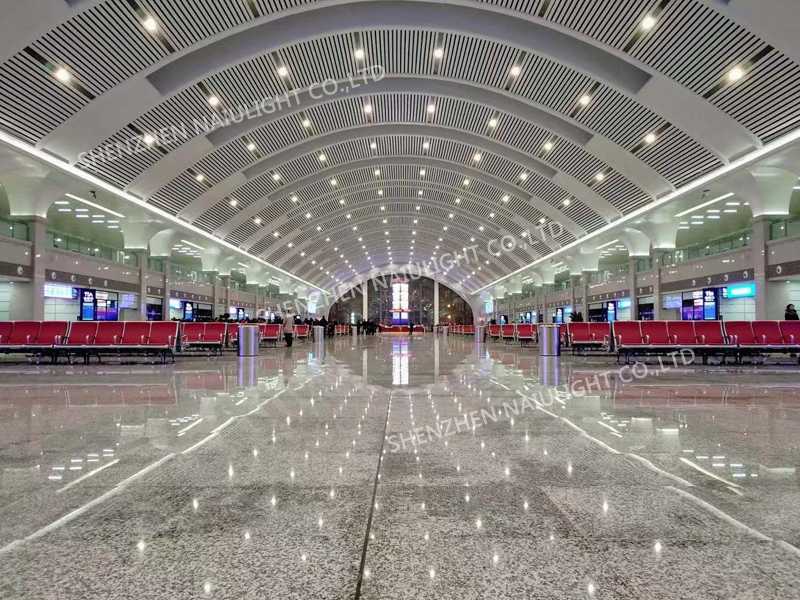
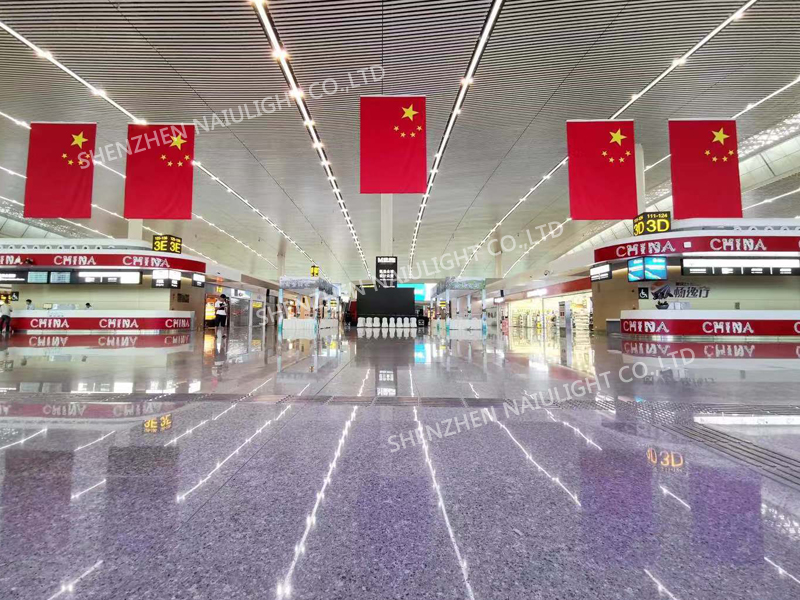
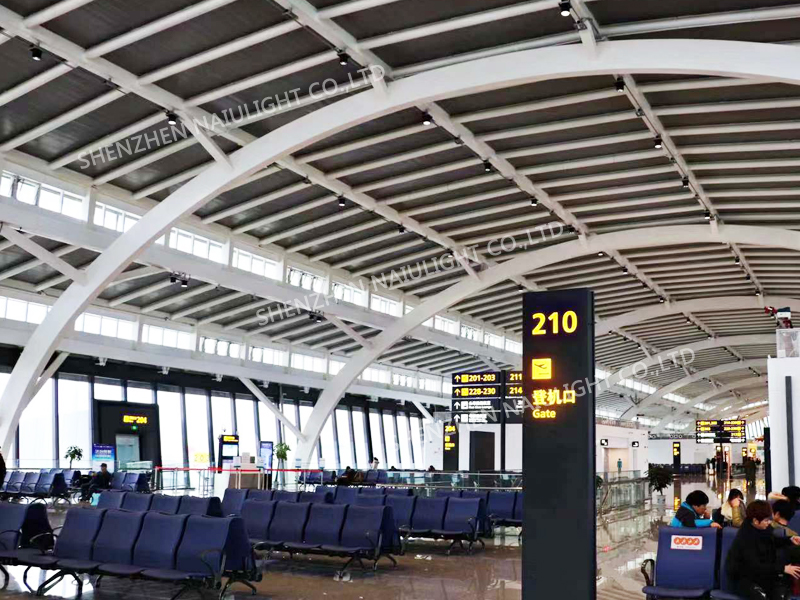
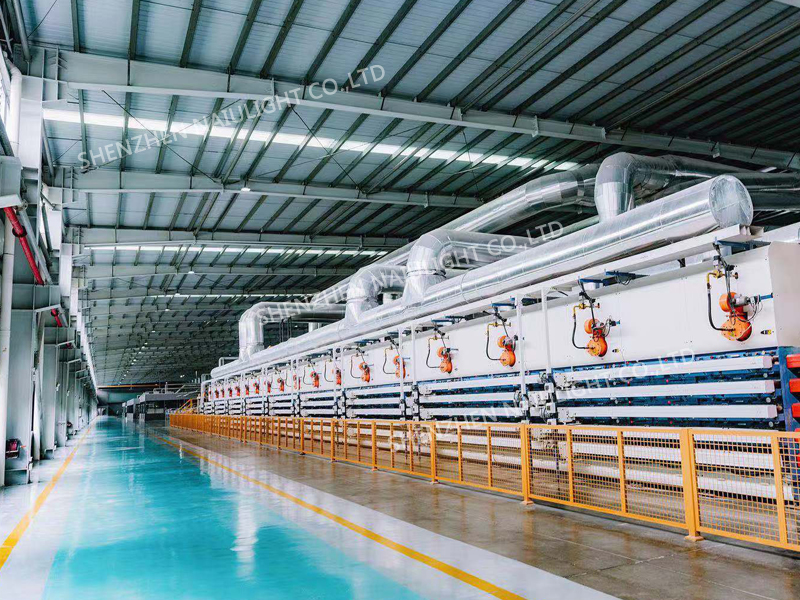
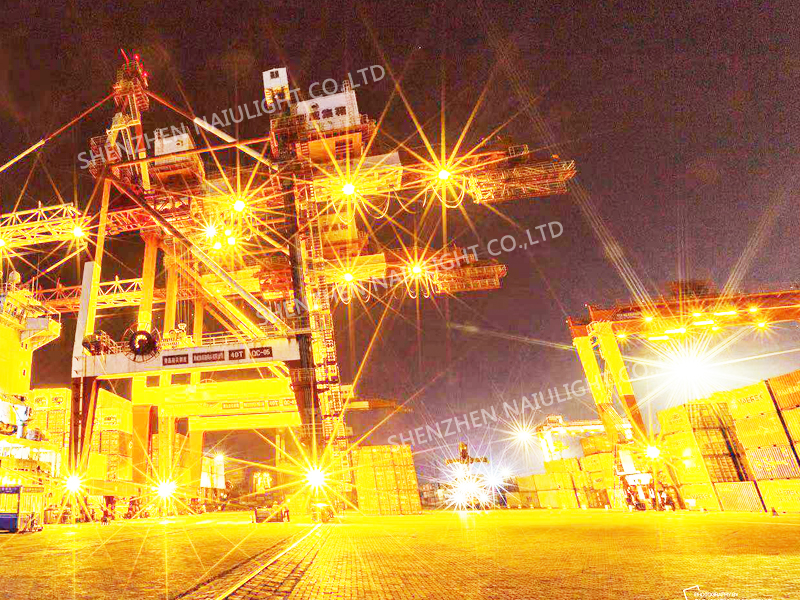
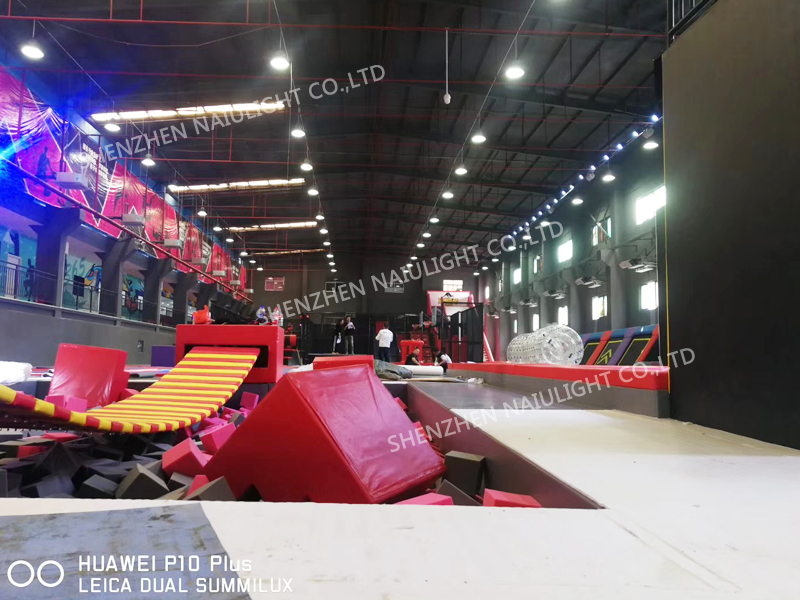
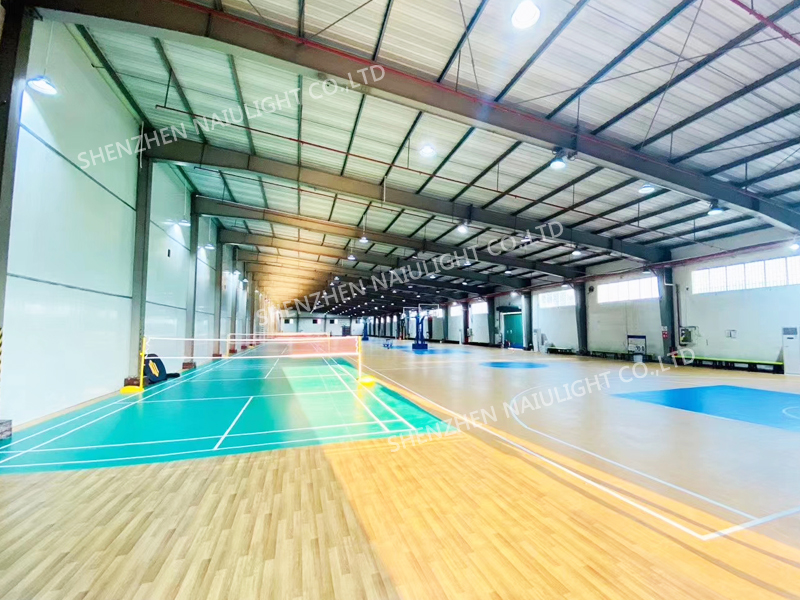
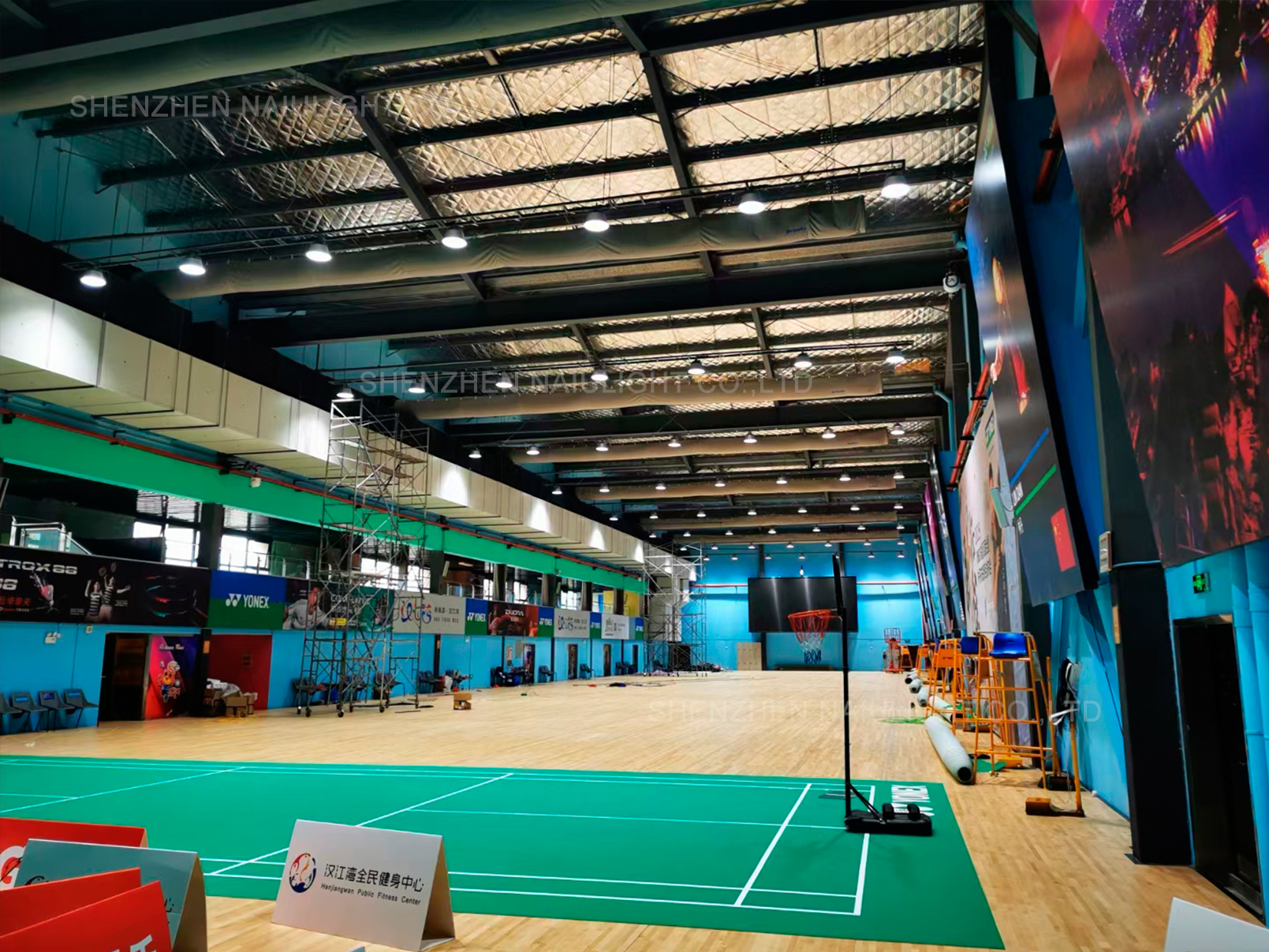
Naiulight LED dimmable downlights can support the above two dimming methods. Case Show:
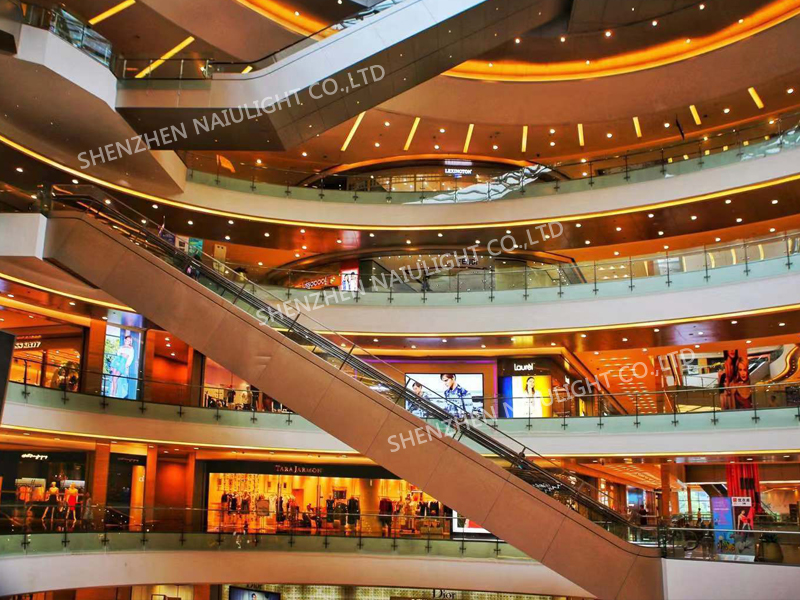
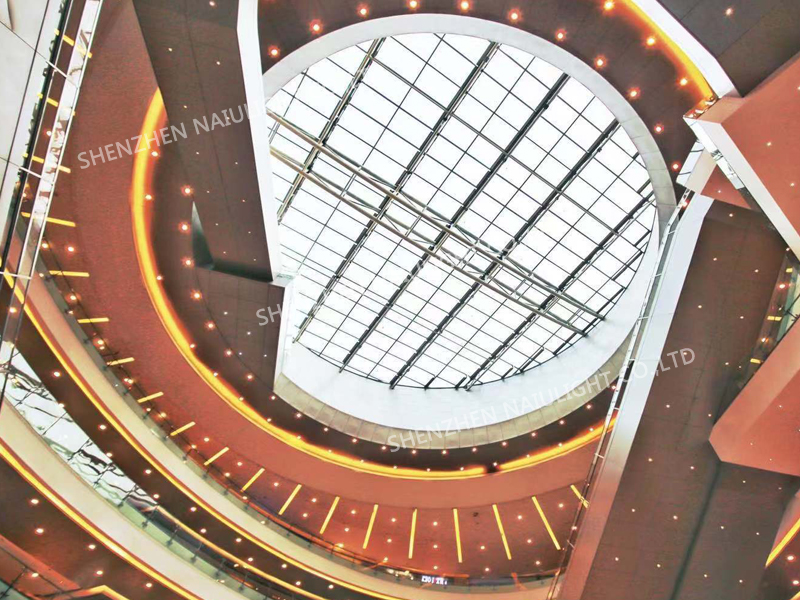
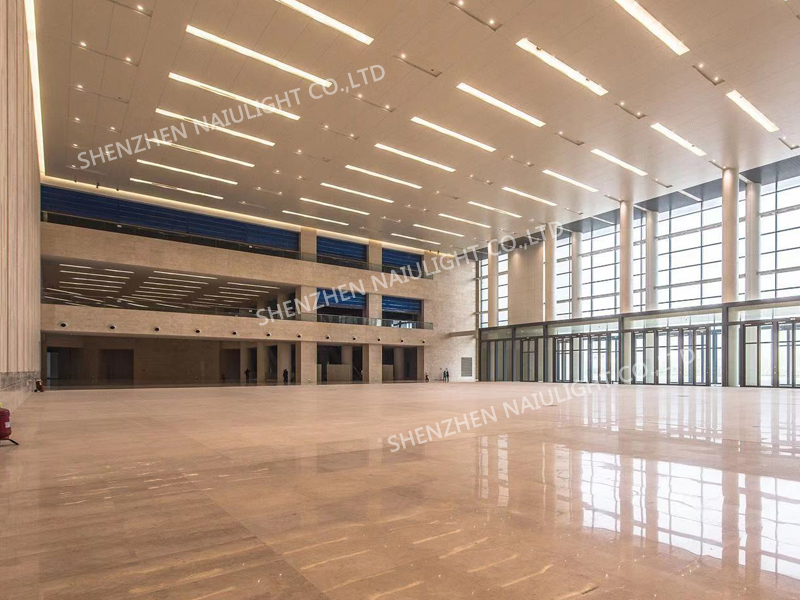
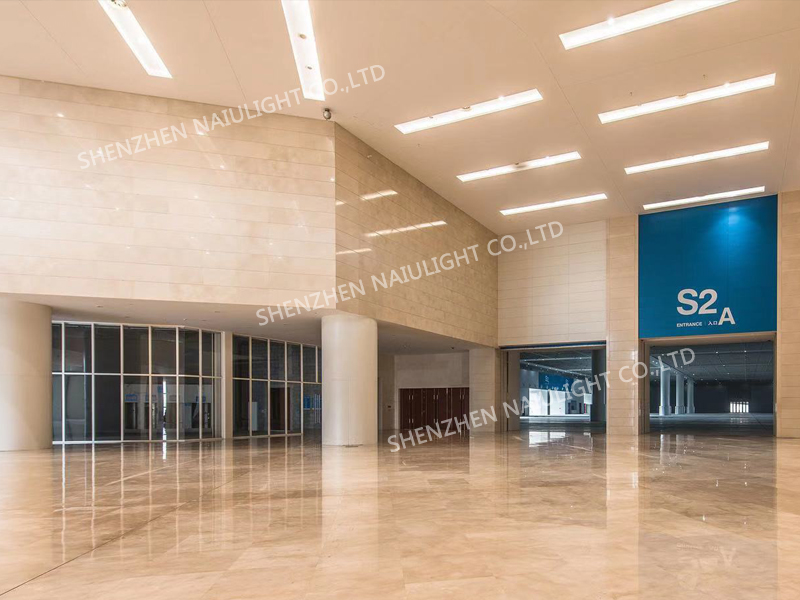
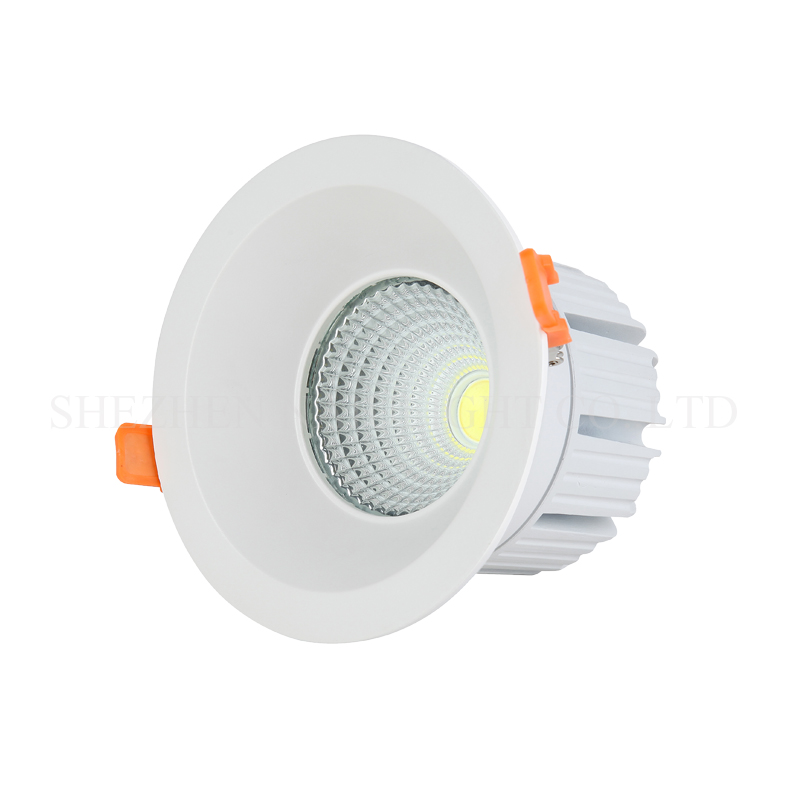
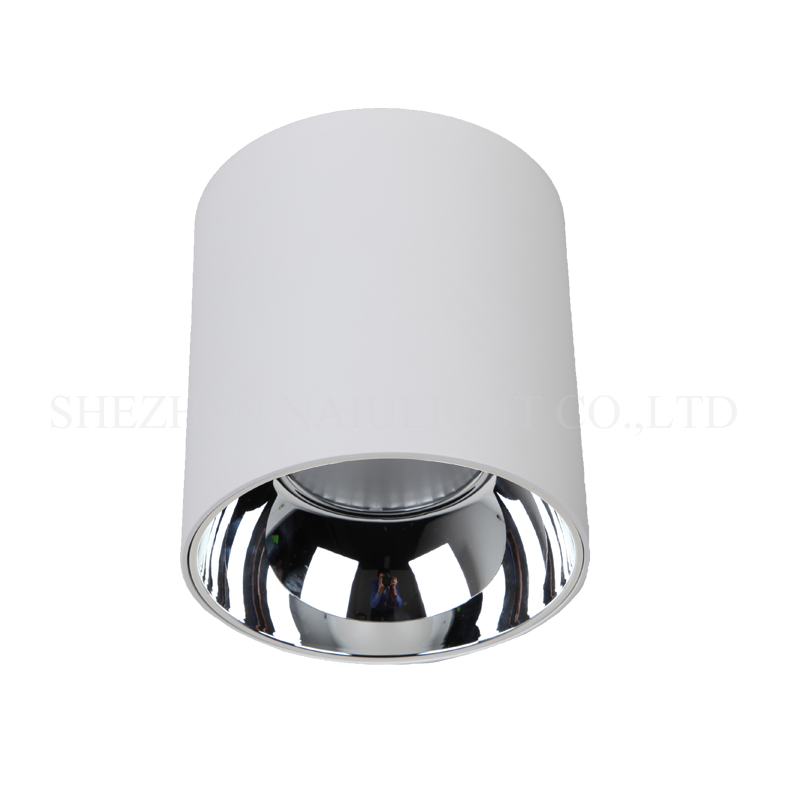
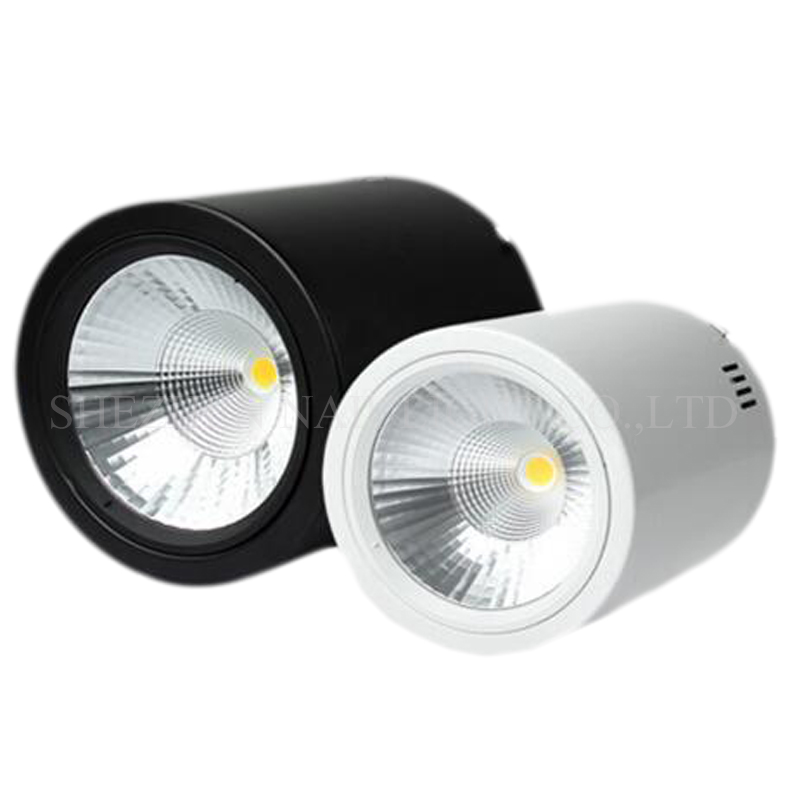
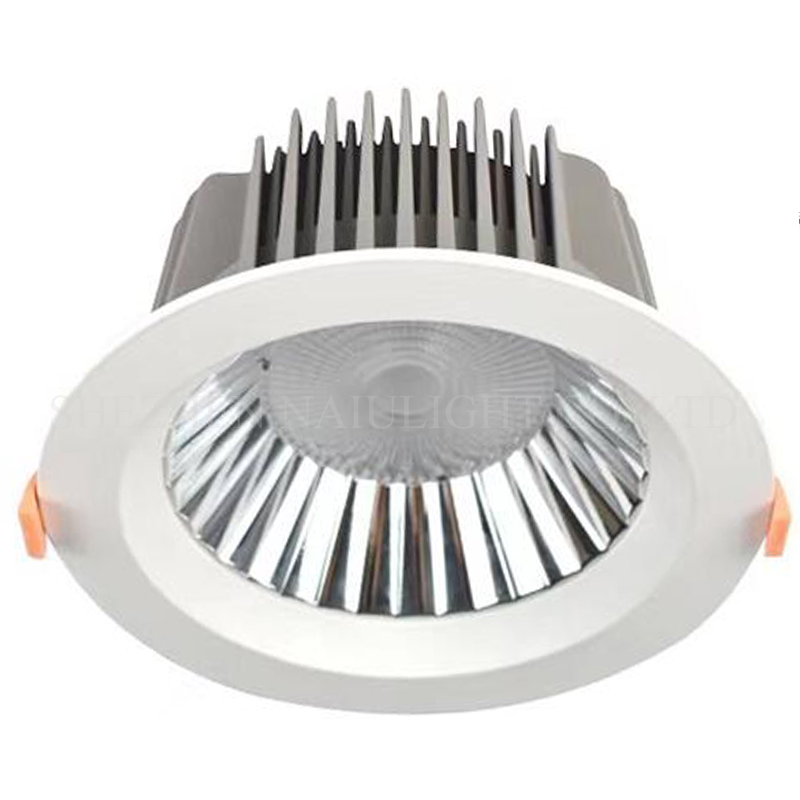
Naiulight Triac Dimmable Downlight / 0-10V Dimmable Downlight Product Introduction:
High efficiency and energy saving, the system light efficiency is up to 100lm / W, which can save up to 67% compared with traditional downlights.
Professional light distribution, three light distribution angle designs, to meet the application needs of different floor heights (24 ° 40 ° 60 °).
Elegant and beautiful, simple and stylish appearance design, beautiful atmosphere, fresh and elegant, enhance the texture of the space.
Comfortable and bright, professional optical design and shading protection, reduce glare, up to UGR19, comfortable visual effect.
Durable and reliable Nanniu's independent R & D driver and professional heat dissipation design, with a lifetime of up to 50,000 hours
Main application: shopping mall atrium, supermarket, airport, canopy, railway station, high-speed rail station, auditorium, hotel lobby, lecture hall, theater and other large commercial photos or performance venues.
LED dimming is often used in hotels and theaters to create an atmosphere, create an intimate feel, and delight diners and audiences. For conference rooms and report halls, dimming can also reduce energy consumption and enhance space functions, and dimming reduces unnecessary wires to further implement energy saving and emission reduction. Dimming is easier than other fluorescent, energy-saving and high-pressure sodium lamps. In addition, LEDs have a wider dimming range than compact fluorescent lamps and high-intensity discharge lamps. Compared with 10% ~ 30% dimming surplus of compact fluorescent lamps (data from NEMA), 30% ~ 60% dimming surplus of high-intensity discharge lamps (data from NLPIP) , The remaining dimming of the LED can achieve less than 1% of the full load.
There are various types of dimming technologies in the field of LED lighting. The two commonly used dimming methods are thyristor dimming and 0-10V dimming. So what is the difference between the two dimming methods? What are the disadvantages? This article will help everyone to conduct a comprehensive analysis of this problem, so as to grasp the difference between the two dimming methods.
Triac Dimming (Brightness is adjusted by increasing or decreasing the input voltage)
Thyristor dimming is a kind of physical dimming. Starting from AC phase 0, the input voltage is chopped. There is no voltage input until the thyristor is turned on. The principle is to adjust the conduction angle of each half wave of the alternating current to change the sine waveform, thereby changing the effective value of the alternating current, so as to achieve the purpose of dimming. Thyristor dimmers have the advantages of high adjustment accuracy, high efficiency, small size, light weight, and easy to operate from a long distance. They dominate the market. Most manufacturers' products are this type of dimmer. The advantages of using TRIAC dimmers for LED lighting are: low dimming cost, and the disadvantage is that the TRIAC dimming performance is poor, which usually leads to a reduction in the dimming range. The function of turning on the current cannot be turned off completely, even if the current is adjusted to the lowest level, there is still a weak current passing, and the characteristics of the LED's microcurrent light emission make the use of thyristor dimming in large quantities. There is still a phenomenon of weak light emission after the LED is turned off. It has become a difficult problem to promote the current LED dimming method.
0-10V dimming (adjust the brightness by increasing or decreasing the input current)
0-10V dimming is also called 0-10V signal dimming. It is an analog dimming method. The difference from SCR power is that there are two more 0-10V interfaces (+ 10V and -10V), it is to control the output current of the power supply by changing the voltage of 0-10V to achieve dimming. Brightest at 10V and off at 0V. 1-10V is only 1-10V. When the resistance dimmer is adjusted to a minimum of 1V, the output current is also changed by 10%. If the output current is also reached at 10V, the brightness will also be 100%. -10V does not have the function of a switch, so the lamp cannot be turned to the minimum shutdown function.
Naiulight LED dimmable downlights can support the above two dimming methods. Case Show:
Naiulight Triac Dimmable Downlight / 0-10V Dimmable Downlight Product Introduction:
High efficiency and energy saving, the system light efficiency is up to 100lm / W, which can save up to 67% compared with traditional downlights.
Professional light distribution, three light distribution angle designs, to meet the application needs of different floor heights (24 ° 40 ° 60 °).
Elegant and beautiful, simple and stylish appearance design, beautiful atmosphere, fresh and elegant, enhance the texture of the space.
Comfortable and bright, professional optical design and shading protection, reduce glare, up to UGR19, comfortable visual effect.
Durable and reliable Nanniu's independent R & D driver and professional heat dissipation design, with a lifetime of up to 50,000 hours
Main application: shopping mall atrium, supermarket, airport, canopy, railway station, high-speed rail station, auditorium, hotel lobby, lecture hall, theater and other large commercial photos or performance venues.